It’s hard to enjoy outdoor activities such as skiing, snowboarding, hiking, mountain biking, and more if you have altitude sickness. Mobile IV Nurses specializes in fast and convenient IV therapy for many issues, including high altitude sickness treatment, so you can get back out there and tackle the slopes.
IV therapy works well for easing symptoms of altitude sickness as altitude IV treatments are specifically designed to deliver rapid relief by targeting the root cause. Do electrolytes help with altitude sickness? Absolutely, and each drip IV contains fluids packed with vitamins, minerals, and electrolytes the body needs to feel better. Plus, IV therapy infuses these powerful fluids right into the bloodstream, so they get to work faster than oral medications that need to pass through the digestive system before activating.
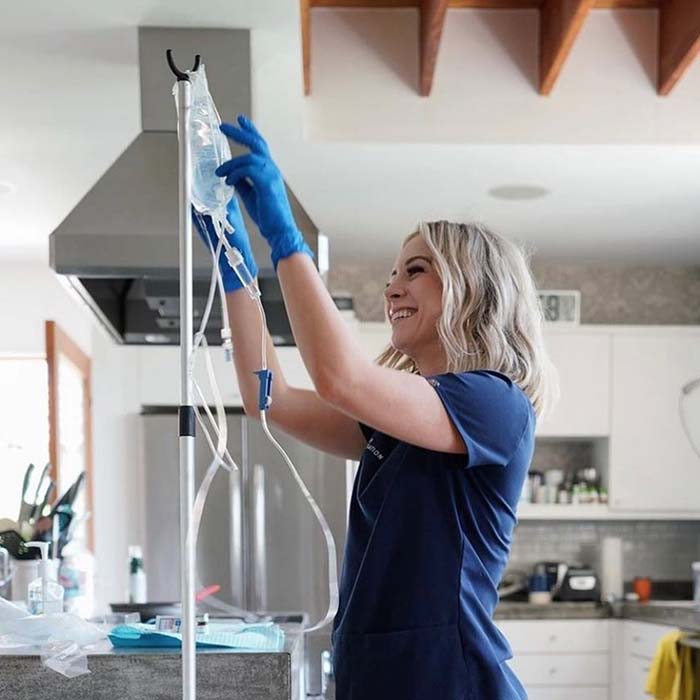
Altitude sickness can be treated with IV fluids from Mobile IV Nurses. We deliver high-quality IV therapy services to your home, hotel room, or other convenient location so you can rest and relax during treatment.
When you’re on a mountain such as Humphreys Peak, Fremont Peak, or Mount Baldy, oxygen and air pressure levels are lower than they are when you’re closer to sea level. That change can result in altitude sickness. Recognizing altitude sickness symptoms early can prevent the condition from worsening. You may feel:
Your age, weight, and blood pressure can affect the likelihood of developing altitude sickness. Symptoms usually appear soon after you’ve moved from a low to high altitude. The higher up you go, the more likely altitude sickness may occur. And these symptoms can stick around--mild altitude sickness can last up to 36 hours. Altitude sickness may also worsen, causing extreme fatigue and mental confusion, as well as issues with the lungs, heart, or nervous system requiring medical attention. IV fluids for mild altitude sickness offer quick symptom relief.
Of course, you don’t have to go skiing or mountain climbing to experience altitude sickness. Sometimes, just visiting a city with a higher elevation than your body is accustomed to will result in altitude sickness symptoms. In such cases, you may not immediately realize the nature of your ailment. Mild altitude sickness symptoms should respond to mobile IV therapy.
Avoid getting to the point where you need to go to the hospital by getting IV treatments for altitude sickness as soon as possible.
The alternatives to IV therapy for altitude sickness are pretty basic. These altitude sickness treatments state that you should stop and rest and avoid climbing any higher. Don’t resume climbing for another 24 to 48 hours after recovery.
Take ibuprofen or a similar non-steroidal anti-inflammatory drug (NSAID) if you have a headache. Drink plenty of water. If feeling nauseous, take anti-nausea medication. Integrating altitude IV therapy can expedite recovery and alleviate discomfort.
That’s all good information and will help someone dealing with altitude sickness. However, drinking lots of water and taking oral medication means the fluids and drugs must pass through your gastrointestinal system. That takes time. If you want to rehydrate and feel better as fast as possible, IV therapy sends fluids and medication directly into your bloodstream. Electrolytes for altitude sickness are essential components of effective IV therapy, ensuring swift symptom alleviation. In fact, you may find relief in as little as 30 minutes. If you want, you can start climbing again once you’ve passed the recommended 24 to 48 hours after recovery.
© 2025 Mobile IV Puerto Rico. All Rights Reserved